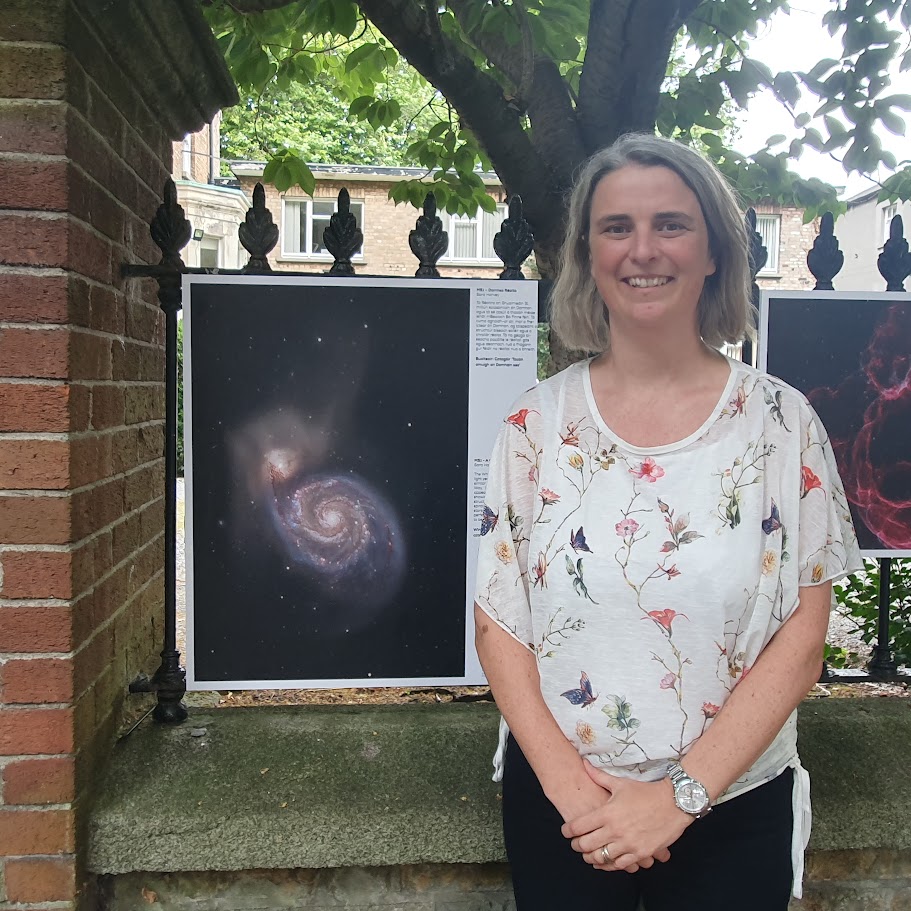
Sara Harvey
Award Winning Astrophotographer
Battling Cork's Light Polluted Skies
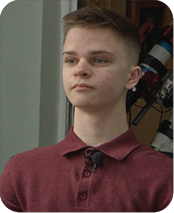
Amateur Astronomer and Astrophotographer Sara Harvey is an award winning astronomer in the heart of Cork City. A life-long practitioner of astronomy, Sara has been exploring the night skies since she was a young girl, only delving into astrophotography in recent years, and winning several awards since. Battling bortle 7 skies, Cork Airport in the east and Irish weather has meant Sara has made some interesting choices in her pursuit of “more time on target”.
"I would love for some kids to watch this film, and be inspired to look up at the sky the same way I do! I think a lot of people are interested, but just don't know what's up there, they need to look up more!"
Sara Harvey
Images Captured by Sara
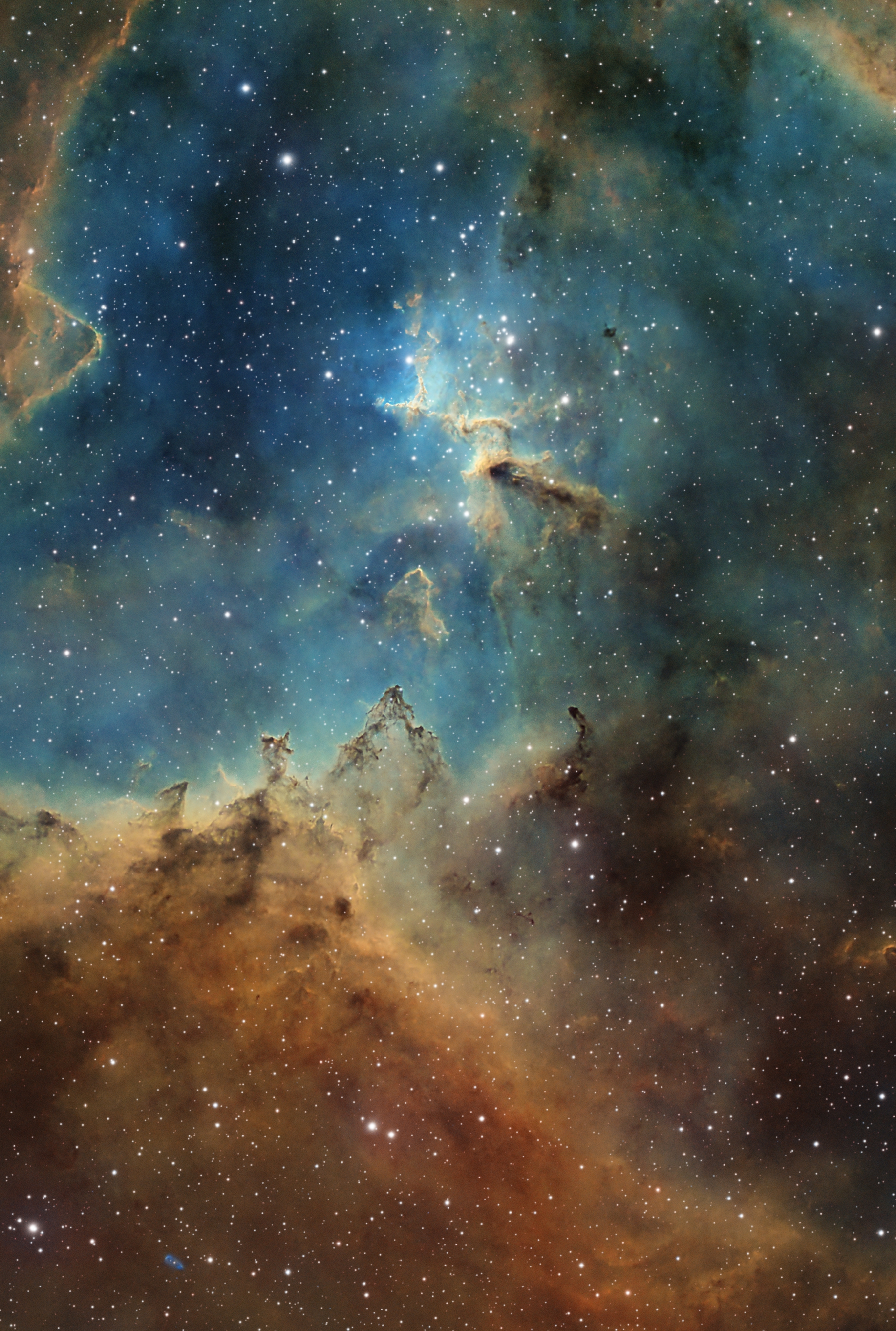
IC1805 SHO Capture
An amazing capture of the center of the "Heart Nebula" (also known as the Running Dog Nebula), this incredible capture took Sara many nights to capture and is just stunning.
Smack bang in the centre is the star forming region in the middle "Melotte 15". "Webo 1" is bottom left - a binary star system rotating around each other every 4.7 days!
IC 1805, is an emission nebula located 7,500 lightyears away in the Cassiopeia constellation. The term 'emission' means that the cosmic gas that forms the nebula is actually glowing itself, rather than reflecting starlight (as is the case with a reflection nebula). Over the years IC 1805 has been designated as the 'Heart Nebula' due to its resemblance to the shape of a human heart.
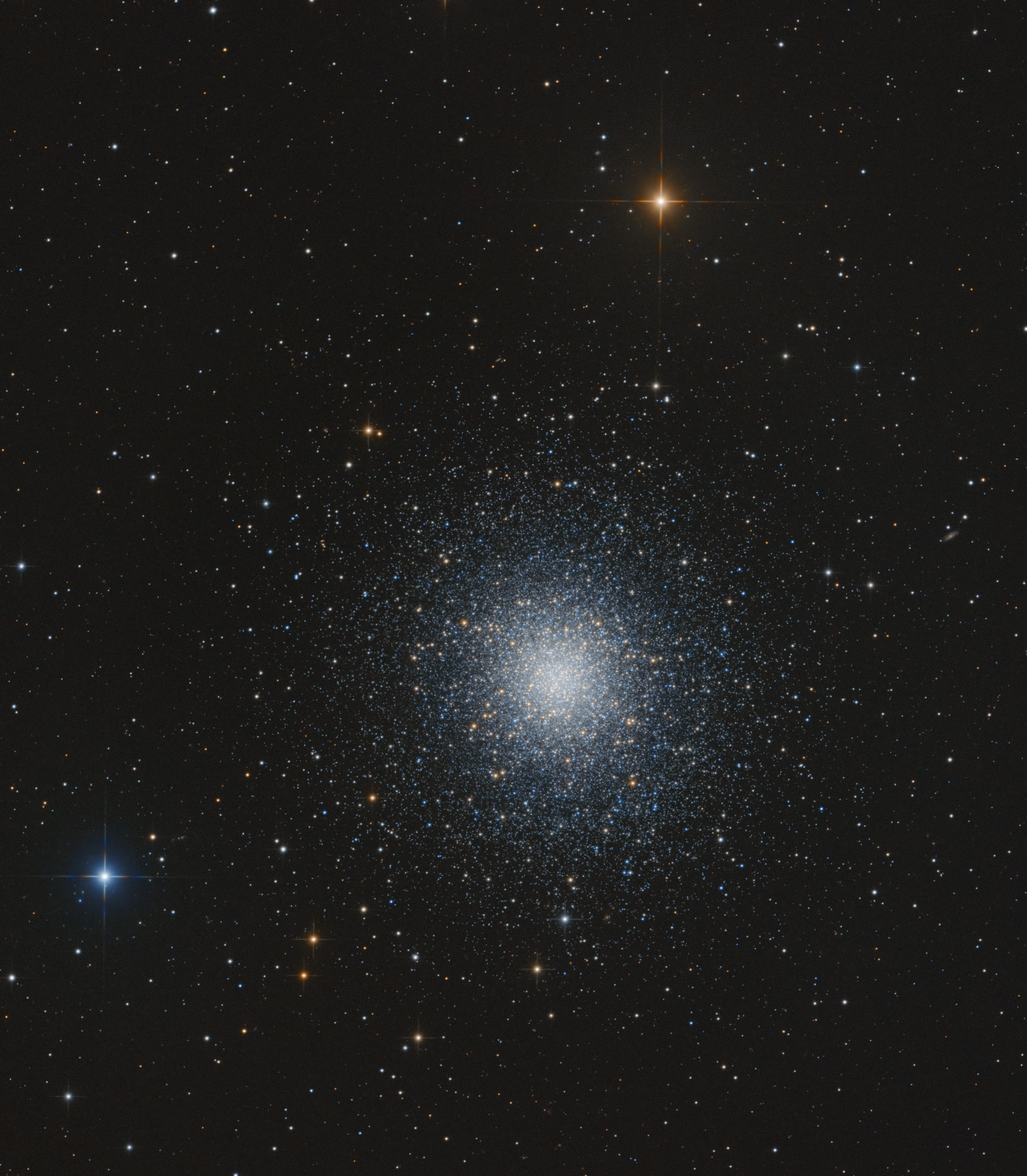
Messier 13 Globular Cluster
Messier 13 was discovered by Edmond Halley in 1714 and cataloged by Charles Messier on June 1, 1764, into his list of objects not to mistake for comets; Messier's list, including Messier 13, eventually became known as the Messier catalog. It is located at right ascension 16h 41.7m, declination +36° 28'. Messier 13 is often described by astronomers as the most magnificent globular cluster visible to northern observers.
About 145 light-years in diameter, M13 is composed of several hundred thousand stars, with estimates varying from around 300,000 to over half a million. The brightest star in the cluster is a red giant, the variable star V11, also known as V1554 Herculis, with an apparent visual magnitude of 11.95. M13 is 22,200 to 25,000 light-years away from Earth, and the globular cluster is one of over one hundred that orbit the center of the Milky Way.
Book Your Tickets to Watch "Die Hard Astro"
More Cast Bios









BOOK YOUR TICKET