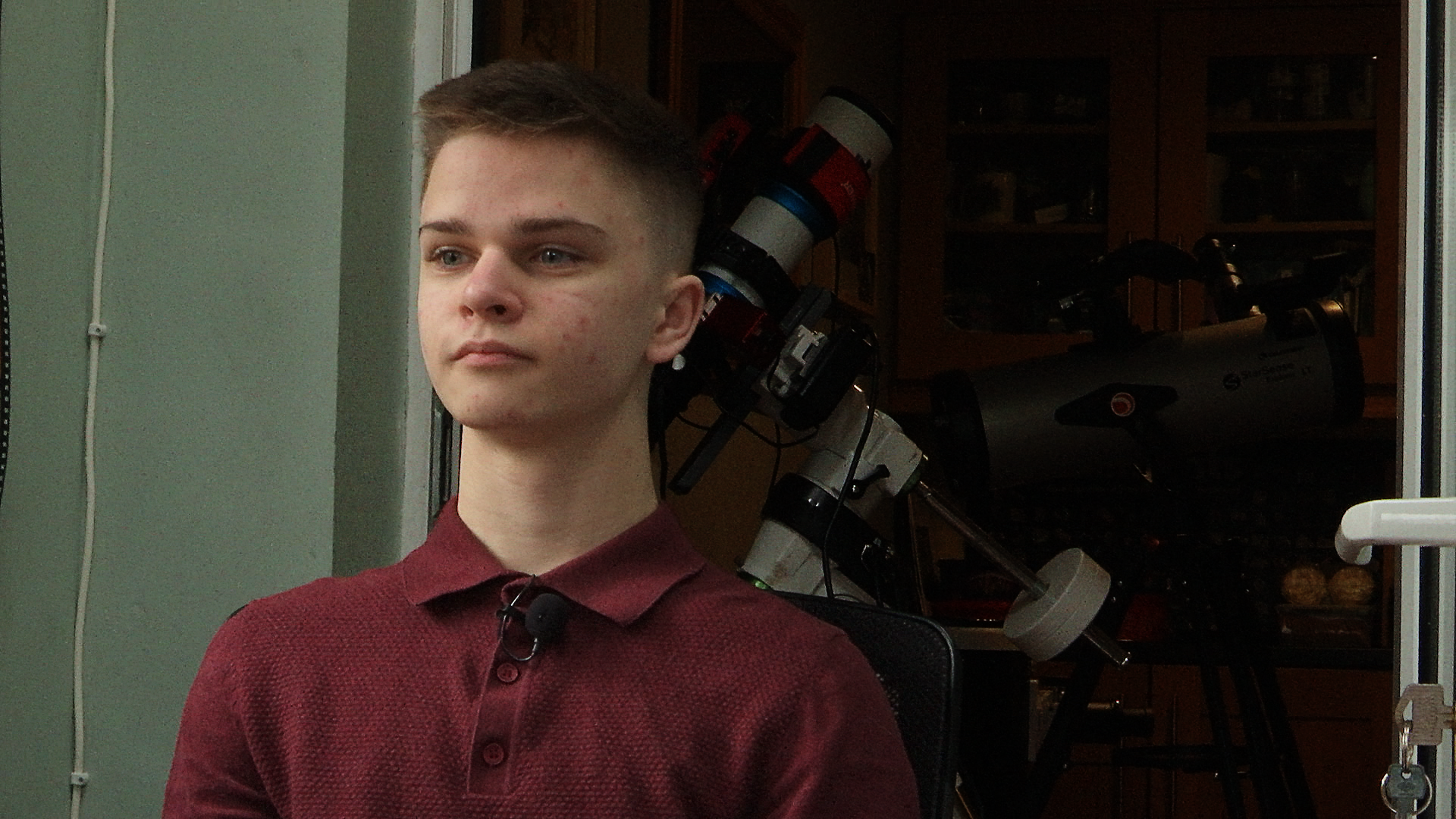
Aidan Wilson
Lockdown Teenage Astrophotographer
Aspiring Astrophysicist
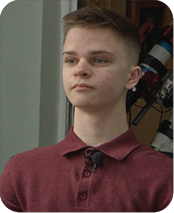
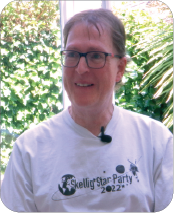
You’d expect an average teenager to be out partying all night long rather than getting their Ma or Da to drive them out to the shticks away from the city lights so they can gaze at the twinkling lights of the night sky instead, right? Aidan Wilson is an amateur astronomer currently studying for his Leaving Cert and just turning 18 this year.
Driven to know more about the cosmos from books given to him as presents, and twenty questions from his Da on the Sun, Aidan was always interested in Astronomy, but during covid lockdown when he discovered that long exposure astrophotography meant he didn’t have to leave home to be able to see many of those same objects Hubble has imaged, it sparked his quest to become an astrophysicist in the future.
"I think the biggest threat to astronomy is AI, because when I show friends at school my images, they tell me, 'You know that's AI, right?', and reply, 'You know I took that, right?', but they still don't believe me!"
Aidan Wilson
Aidan Editing In Postprocessing

Editing IC63
Aidan
Sh 2-185 is an H II region centered on the massive star system Gamma Cassiopeiae (γ Cas) in the northern constellation of Cassiopeia. It was included in the second Catalogue of H II Regions, published in 1959 by Stewart Sharpless. Sh 2-185 is located at a distance of approximately 10,500 ly (3.23 kpc) from the Sun. The region is surrounded by a dust shell, and displays several infrared point sources that are a characteristics of young stellar objects.
This H II region includes the reflection and emission nebulae IC 59 and IC 63. Both nebulae have a cometary shape, with IC 63 being the brighter of the two. The difference in appearance between the two nebulae is a consequence of their physical distance from γ Cas. IC 63 displays a well-defined ionization front, while this is lacking in IC 59. The nebulae are the closest photodissociation regions to the Sun.
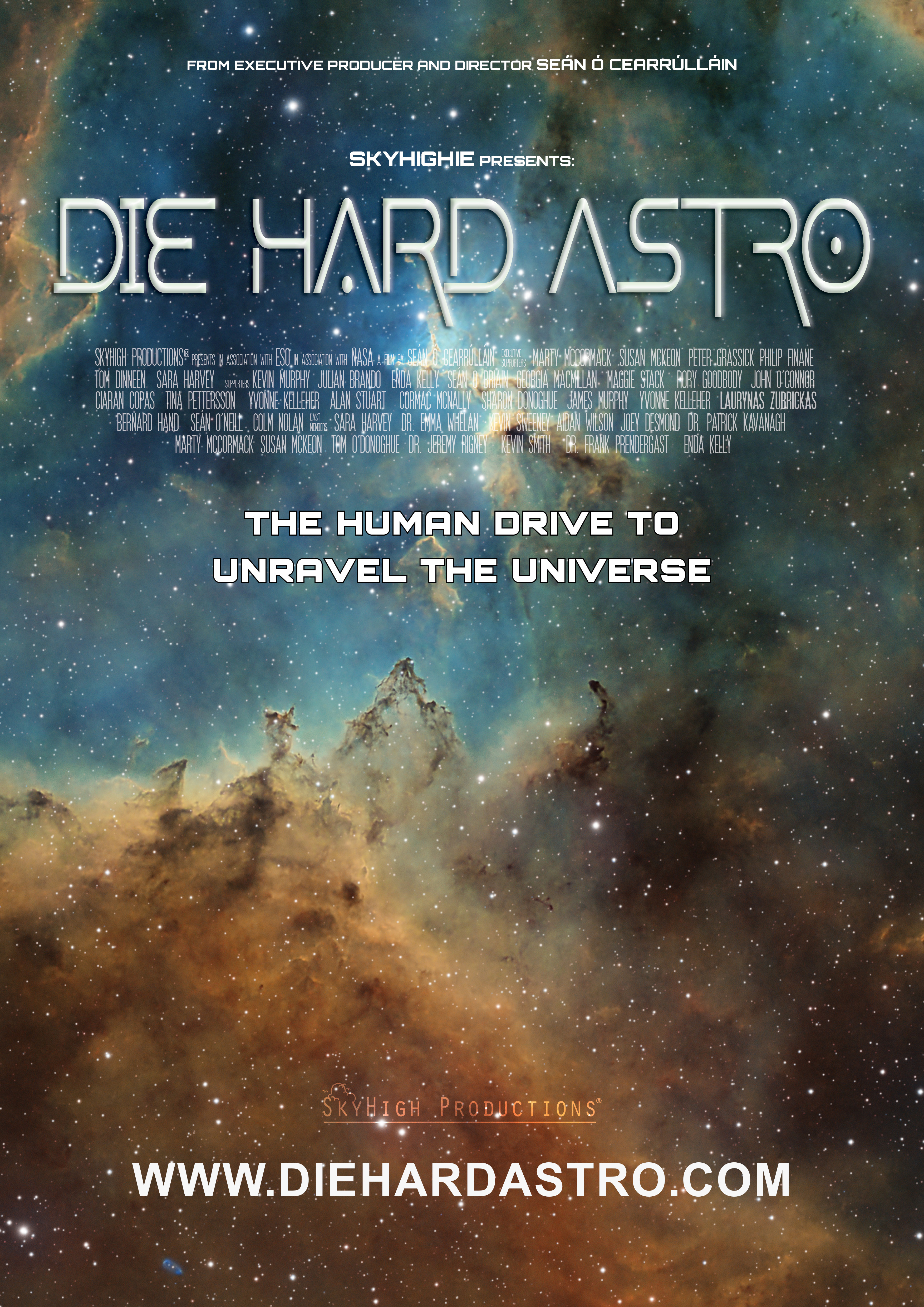
Book Your Tickets to Watch "Die Hard Astro"
More Cast Bios



BOOK YOUR TICKET